
Use five decisions, not a wall of names
A long menu becomes manageable when you compare five things: format, main ingredient, sauce, texture and accompaniments. Start with format—tacos, burrito, enchiladas, quesadilla, torta or plated grill—because it controls how the meal eats. Then choose the protein or vegetable direction. Sauce affects moisture and heat; texture determines whether the meal is crisp, soft or mixed; sides determine how substantial the plate feels.
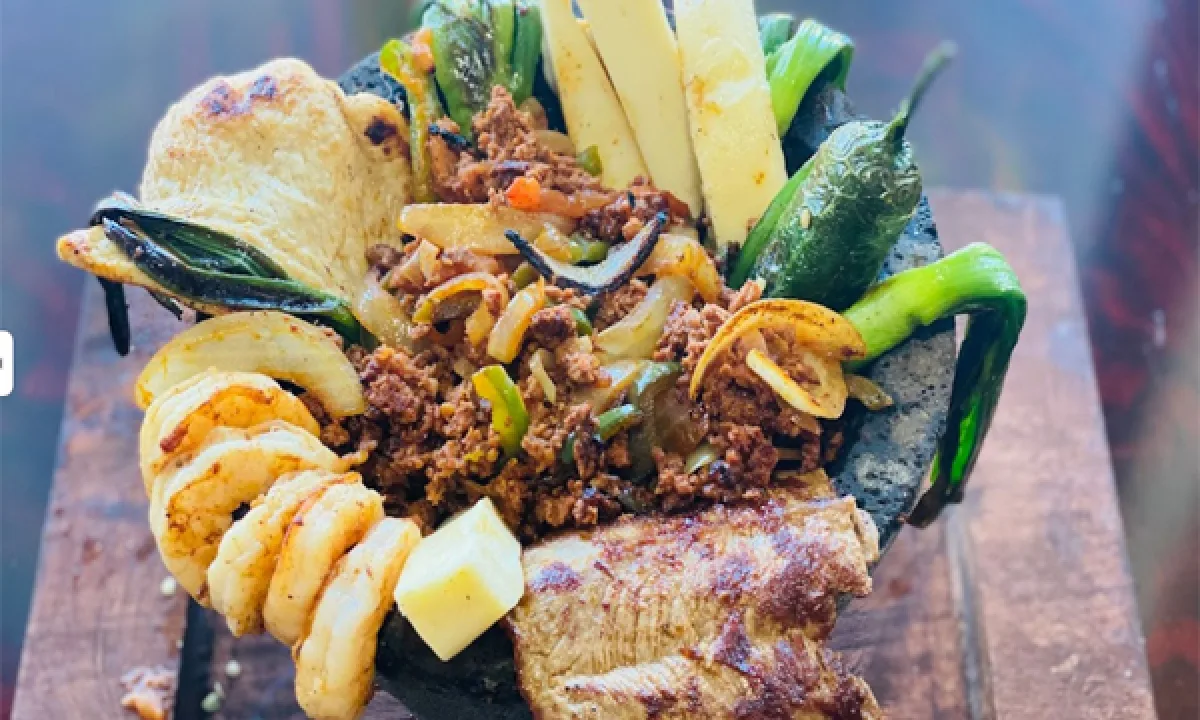
This method is especially useful at Laguna Brava because its published highlights range from portable formats such as torta to composed plates such as shrimp fajita and t-bone with shrimp. The names describe different eating experiences, not simply different fillings.
This method is especially useful at Laguna Brava because its published highlights range from portable formats such as torta to composed plates such as shrimp fajita and t-bone with shrimp. The names describe different eating experiences, not simply different fillings.
Worked comparison: burrito, enchiladas or fajita
Suppose you want chicken but have not chosen a format. A burrito concentrates filling, sauce and tortilla in each bite and travels relatively easily. Enchiladas emphasize sauce and a plated meal. A fajita-style order emphasizes grilled components and lets the diner assemble bites with tortillas. If the meal must travel, the burrito may be the simplest. If sauce is the main appeal, enchiladas are the clearer direction. If customization at the table matters, fajita-style service can be more flexible.
Those are format-level tradeoffs, not verified claims about a specific current Laguna Brava recipe. Confirm the restaurant’s ingredients, sides and packaging before relying on them.
Those are format-level tradeoffs, not verified claims about a specific current Laguna Brava recipe. Confirm the restaurant’s ingredients, sides and packaging before relying on them.
Ask precise questions
Instead of asking whether a dish is “good” or “spicy,” ask which sauce is used, what protein options are available, whether the plate includes rice or beans, and which elements can be packed separately. For an allergy, ask about the specific ingredient and cross-contact process. For children or cautious eaters, ask which current dish has the simplest assembly rather than assuming a menu label means mild.
Build a two-option shortlist
After applying the five decisions, keep two candidates rather than forcing an immediate winner. Compare them using the factor that matters most for this meal. If the meal must travel, compare packaging and sauce. If the diner wants variety, compare how easily each format supports different fillings or shared bites. If the main goal is seafood, compare the actual seafood preparations instead of unrelated formats.
Consider a guest choosing between shrimp fajita and shrimp fajita quesadilla. The shared ingredient does not make the experience identical. A fajita-style plate emphasizes grilled components and assembly; a quesadilla emphasizes a filled tortilla and a more consolidated bite. The better choice depends on whether the diner values control or convenience. Ask the restaurant how the current versions are served before treating this conceptual difference as a recipe description.
Write down modifications only after choosing the base dish. Excessive changes can make an order confusing and may not be available. If the desired result requires replacing most of the dish, a different menu format is probably a better starting point.
Consider a guest choosing between shrimp fajita and shrimp fajita quesadilla. The shared ingredient does not make the experience identical. A fajita-style plate emphasizes grilled components and assembly; a quesadilla emphasizes a filled tortilla and a more consolidated bite. The better choice depends on whether the diner values control or convenience. Ask the restaurant how the current versions are served before treating this conceptual difference as a recipe description.
Write down modifications only after choosing the base dish. Excessive changes can make an order confusing and may not be available. If the desired result requires replacing most of the dish, a different menu format is probably a better starting point.
Common menu-reading mistakes
Do not assume a Spanish name establishes spice level, ingredient safety or portion size. Do not assume that two restaurants use the same recipe for an item with the same name. Do not use a delivery platform’s photo as a contractual picture of today’s plate. Images are useful orientation, but preparation and presentation can change.
A second mistake is comparing price without comparing what is included. A plated item may include accompaniments while a handheld item may not. Ask what comes with the current order. A third mistake is choosing only by quantity; a balanced meal that matches the diner’s preferences is often more satisfying than the largest format.
Finally, distinguish preference language from safety language. “I do not like onions” and “I have an onion allergy” require different handling. State an allergy clearly and let the restaurant explain what it can or cannot accommodate.
A second mistake is comparing price without comparing what is included. A plated item may include accompaniments while a handheld item may not. Ask what comes with the current order. A third mistake is choosing only by quantity; a balanced meal that matches the diner’s preferences is often more satisfying than the largest format.
Finally, distinguish preference language from safety language. “I do not like onions” and “I have an onion allergy” require different handling. State an allergy clearly and let the restaurant explain what it can or cannot accommodate.
Our judgment
Choose by eating experience first and dish name second. The method reduces ordering regret because it reveals what the diner actually values: portability, sauce, grilled flavor, seafood, texture or control. When current prices and ingredients are published by the restaurant, use those live details as the final authority.
Next useful step
Use the menu guide to narrow the dish format, review visit information, or call 217-572-1347 for today’s details. Corrections can be sent to server@orderlagunabravamexicanrestaurant.com.